
Take No Chances this Gas Safety Week
Published 15 September 2026
Cumbria Fire & Rescue Service is supporting Gas Safety Week 2026 and urging people to Take No Chances with gas safety.
Gas Safety Week takes place this week (14–20 September 2026), bringing together organisations, businesses, community groups and Gas Safe registered engineers across the UK to help keep the nation gas safe.
As a supporter of this year’s campaign, the service is taking part by sharing gas safety advice, offering safety reminders, and encouraging people to book an annual gas safety check.
The theme for Gas Safety Week 2026 is ‘Take No Chances’. It is a simple but important reminder that if something does not feel right, it should not be ignored. If an appliance needs checking, do not put it off. And if gas work needs doing, always use someone who is Gas Safe registered and qualified for the type of work needed.
Taking the right action can help protect people from serious risks including gas leaks, fires, explosions and carbon monoxide (CO) poisoning. Carbon monoxide is often called the ‘silent killer’ because it cannot be seen, smelt or tasted.
Dean Readman, Station Manager for Prevention at Cumbria Fire & Rescue Service, said:
“Gas safety is something every household should take seriously, and we want to help people feel confident taking simple steps to protect themselves and their loved ones.
“We’re proud to support Gas Safety Week and its ‘Take No Chances’ theme, because when it comes to gas safety, it is always better to act early, check properly and never ignore a concern.”
As part of Gas Safety Week, people are encouraged to take no chances by following these simple but important steps:
- Arrange an annual gas safety check. Gas appliances should be safety checked once a year and serviced regularly by a Gas Safe registered engineer. Tenants should check that their landlord has arranged this, as landlords are legally required to do so and provide a copy of the Gas Safety Record.
- Check your engineer is Gas Safe registered. Always use a Gas Safe registered engineer and ensure they’re qualified for the work that needs doing. You can check this via the Gas Safe Register website and the engineer’s ID card.
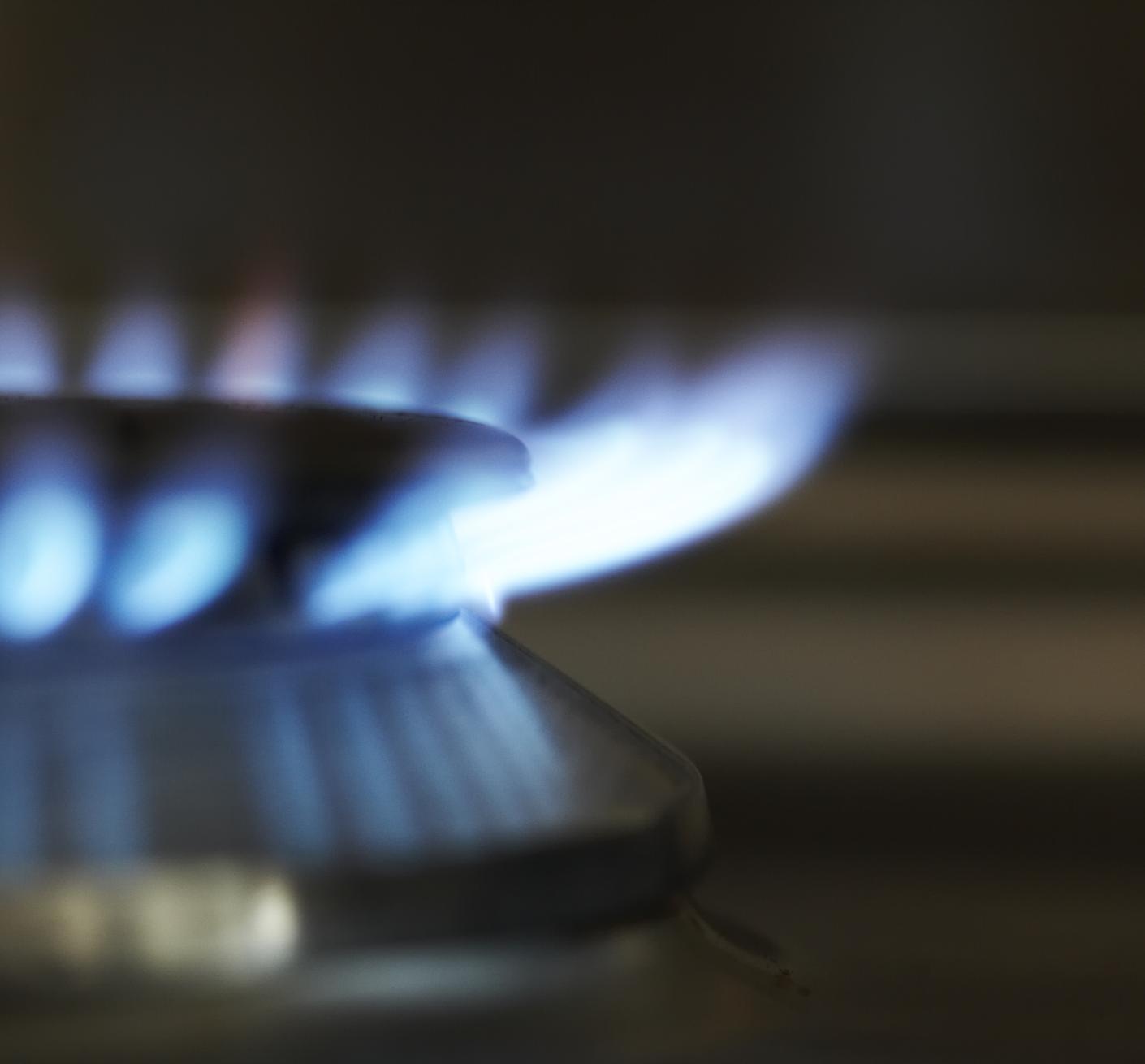
- Look out for warning signs that could indicate your gas appliances are not working correctly. Signs may include lazy yellow/orange flames instead of crisp blue ones, black marks on or around the appliance, a pilot light that keeps going out, too much condensation in the room, or error messages on the appliance’s control panel. If you spot these signs, stop using the appliance and contact a Gas Safe registered engineer.
- Recognise the signs of CO poisoning. Remember the six main symptoms of carbon monoxide poisoning: headaches, dizziness, breathlessness, nausea, collapse, and loss of consciousness.
- Install and regularly test an audible carbon monoxide (CO) alarm. When purchasing an alarm check it’s marked to standard EN 50291. Regular testing helps ensure alarms are working and able to alert you to the presence of CO.
- Ensure your home’s vents and flues are not blocked. Vents and flues are there to ensure your gas appliances work safely. Blocking them could prevent this.
- Never DIY gas work. Before drilling or hammering, check there is no risk of hitting a gas pipe. Never attempt gas work yourself if you suspect something is wrong with a gas appliance, or it is not working correctly. Always leave it to the experts.